
Colours in Thai: สี Plus One More Word
TL;DR: Almost every colour in Thai is the word สี followed by one more word, so learning the colours is learning eleven short words and one prefix rather than eleven unrelated ones. Several of those second words are things you already point at in a shop: ส้ม is an orange, น้ำตาล is sugar, ฟ้า is the sky. The tone of each one is not a fact to memorise either, because the spelling gives it to you.
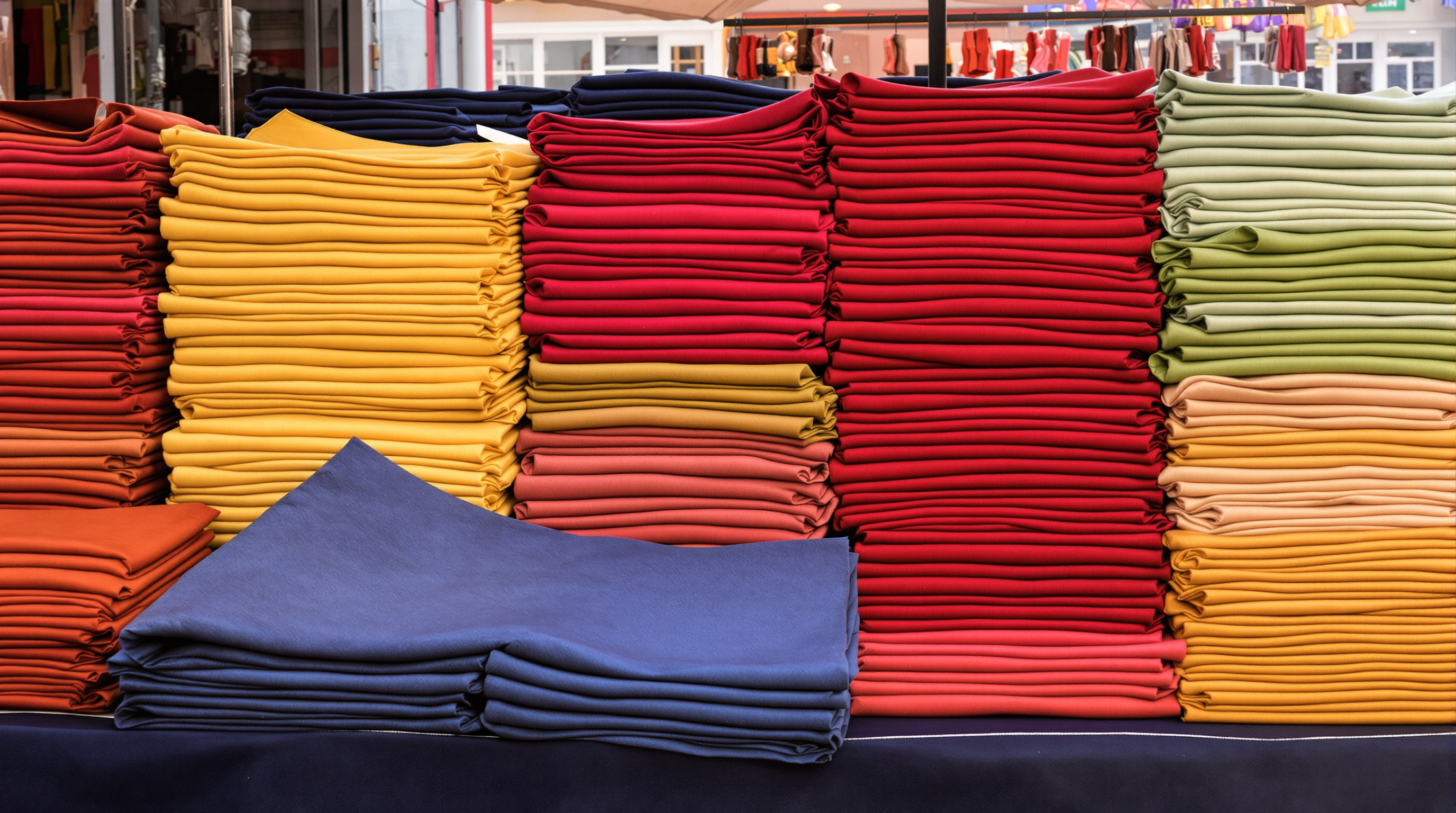
Every colour is สี plus one more word
สี on its own means colour, and it is also the word for paint. Put it in front of another word and you get a colour name: สีแดง is red, สีเขียว is green, สีดำ is black. The pattern holds for all of the everyday ones, which is why a colour list in Thai is much less work than a colour list in French.
In speech the สี is often dropped when the context is obvious, the way English drops the word colour from a red shirt. On labels, in a shop and anywhere the word stands alone, it is there. Read it once and the second word is the only thing left to learn.
The colours, and what the second word means on its own
Eleven cover almost everything you will need to point at. The third column is the part worth noticing: several of these are ordinary nouns doing a second job, exactly as English does with orange.
| Colour | Written | Tone of the second word | What that word is otherwise |
|---|---|---|---|
| red | สีแดง | mid | nothing else in ordinary use |
| yellow | สีเหลือง | rising | nothing else in ordinary use |
| green | สีเขียว | rising | nothing else in ordinary use |
| sky blue | สีฟ้า | high | ฟ้า is the sky |
| deep blue | สีน้ำเงิน | high, then mid | น้ำ is water and เงิน is silver |
| black | สีดำ | mid | nothing else in ordinary use |
| white | สีขาว | rising | nothing else in ordinary use |
| orange | สีส้ม | falling | ส้ม is the fruit |
| pink | สีชมพู | mid, then mid | nothing else in ordinary use |
| purple | สีม่วง | falling | nothing else in ordinary use |
| brown | สีน้ำตาล | high, then mid | น้ำตาล is sugar |
Grey is สีเทา and gold is สีทอง, both mid tone on the second word, and both worth adding once the eleven above are comfortable. Gold turns up far more than a beginner expects, because it is what temple decoration and a great deal of packaging is described as.
Where each tone comes from
None of the tones in that table has to be memorised separately, and this is the part a romanised colour list cannot give you. A Thai syllable gets its tone from three things: the class of its first consonant, whether the syllable is live or dead, and any tone mark sitting above it. Four of the colours show the whole system between them.
- แดง is mid. ด is a mid-class consonant, the syllable ends in a sound that lets it ring on, and there is no tone mark. Mid class, live, no mark gives the mid tone every time.
- ขาว is rising. Same shape of syllable, but ข is high class, and high class plus live plus no mark gives rising. เขียว and เหลือง are the same rule again, which is why three of the eleven share one tone.
- ส้ม is falling. ส is high class and the syllable carries ไม้โท, the second tone mark. High class with ไม้โท is falling.
- ม่วง is falling too, by a different route. ม is low class and the mark is ไม้เอก, the first one. Low class with ไม้เอก also lands on falling, which is the sort of collision that makes the rules look arbitrary until you have the table.
The full version of that table is in the tone rules, and the consonant classes it depends on are set out in the three consonant classes. Phayan introduces the classes before the marks for this reason: the marks are unreadable until the class is already in place, and colour words are a good early test of whether it is.
สีฟ้า and สีน้ำเงิน are both blue
English calls both of these blue and leaves the rest to context. Thai does not. สีฟ้า is the pale blue of the sky, and ฟ้า is literally the sky. สีน้ำเงิน is the deep blue of ink or a navy uniform. Asking for the wrong one gets you a shirt in a colour you did not want, and the two are not treated as shades of a single colour the way light blue and navy are in English.

น้ำเงิน is worth a second look for a different reason: it is น้ำ, water, plus เงิน, silver. Neither half is guessable from the meaning, but both halves are words a beginner already meets early, so the spelling is readable long before the phrase makes sense.
สี and สี่ are one mark apart
สี, colour, is rising. สี่, four, is low. The only difference on the page is ไม้เอก, the small stroke above the vowel, and in romanised Thai both are usually written si. A learner working from English letters has no way to tell them apart and has to take each one from context; a learner reading the script sees the mark and is done.
It is a small thing, and it is the whole argument for reading rather than transliterating, which is also why the numbers and the colours are worth learning in the same week.
Where colour words turn up
More often than a vocabulary list suggests, because colour is doing cultural work in Thailand that it does not do in most places. Each day of the week has a colour from court astrology, the colour of the day you were born on is a thing people know about themselves, and a street full of yellow shirts is usually a date rather than a fashion. That system, and the day names it hangs off, is in the days of the week.
The everyday uses are plainer. A ticket window will say which colour queue to join. Medicine boxes are told apart by colour on the label as often as by name. And สีอะไร, what colour, is one of the first questions worth being able to both ask and read, since the answer comes back as one of the eleven words above.
Frequently asked questions
What are the colour words in Thai?
Almost all of them are สี plus one more word: สีแดง red, สีเหลือง yellow, สีเขียว green, สีฟ้า sky blue, สีน้ำเงิน deep blue, สีดำ black, สีขาว white, สีส้ม orange, สีชมพู pink, สีม่วง purple and สีน้ำตาล brown, with สีเทา grey and สีทอง gold close behind. Phayan teaches each of these as a spelling first and a sound second, so the tone comes out of the letters rather than out of a recording. Drops will drill the same eleven words as pictures far faster if what you want is recall rather than reading.
How do I ask what colour something is in Thai?
สีอะไร, literally colour what, is the ordinary way to ask it, and the answer comes back as one of the colour words with or without the สี in front. Phayan carries สี in its own word corpus with the gloss สีอะไร for exactly this reason, since the question is more useful to a reader than any single colour is. ThaiPod101 covers the spoken exchange around it in more depth, with the whole dialogue rather than the two words.
What is the difference between สีฟ้า and สีน้ำเงิน?
สีฟ้า is pale sky blue and สีน้ำเงิน is deep blue, and Thai treats them as two colours rather than two shades of one. ฟ้า means sky on its own, while น้ำเงิน is water plus silver, so neither name is guessable from its parts and both are readable from them. Phayan puts both in front of a learner as written words, because a romanised list collapses them into blue and blue.
Is it worth learning colours before the alphabet?
Learning to say them is quick and learning to read them is quicker if the letters come first, so the honest order is a few weeks of script and then vocabulary like this on top of it. Colours are a good test of the tone rules precisely because eleven words cover four different tones between them. Phayan is built the other way round from a phrasebook for that reason, starting at the letters and reaching real words by the end of the free levels, and Anki is the better tool if you have the reading already and just want the eleven words drilled.
Why do Thai people ask what day you were born on?
Because each day carries a colour from court astrology, and the colour of your birth day is a small piece of identity people wear on the right occasion. It is a normal question rather than an odd one, and knowing the answer is genuinely useful at a temple, where there is often a Buddha image for each day. Phayan covers the seven day names and their colours in a separate piece, since the day names are a reading exercise in their own right.